
Search Listing Name
product:
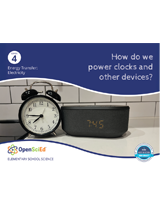
OpenSciEd Grade 4 Unit 2: Energy Transfer: Electricity Teacher Edition
The OpenSciEd elementary science program aligns with all NGSS standards for elementary education.
product:
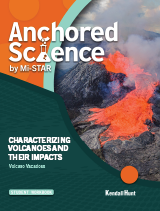
Anchored Science Unit 7.2A: Characterizing Volcanoes Student Workbook
Anchored Science by Mi-STAR is a comprehensive middle school science curriculum driven by a bold vision for the future, where science isn’t just a subject but a powerful, integrated body of knowledge that equips students to tackle today’s pressing societal challenges. This curriculum harnesses the full potential of the Next Generation Science Standards, empowering students to actively engage with science and engineering practices. They’ll move beyond the classroom, using their skills to solve
product:
Navigator Heritage Series: 1984 Novel Study Guide 1 Year License
In this classic novel from 1949 readers will be transported to an era of war, civil conflict, and revolution during a world of totalitarian oppression and terror. Follow Winston Smith, a member of the Party and an employee of the State, during his experiences as a conspiring rebel and his membership in The Brotherhood. George Orwell provides the language and ideas that feed ongoing concerns about privacy, individualism, and freedom of thought as he describes Winston's involvement in the resistance, and the ultimate surrender of Winston's personal thoughts and feelings to the Party.
product:
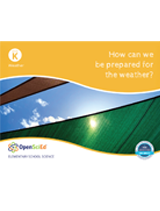
OpenSciEd Grade K Unit 2: Weather Forecasting Teacher Edition
The OpenSciEd elementary science program aligns with all NGSS standards for elementary education.
product:
Project M2 Level 1 Unit 2: Creating the School Measurement Fair: Measuring with Imi and Zani Teacher Resource Package
The Teacher Resource Package includes the Hint & Think Beyond Cards and Word Wall Cards.
Hint and Think Beyond Cards – Designed to challenge students who demonstrate mastery of each unit’s concepts and objectives, these cards encourage students to expand their knowledge by using more complex reasoning.