Search Listing Name
product:
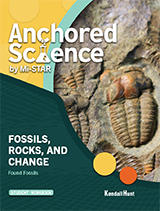
Anchored Science Unit 8.2: Fossils, Rocks & Change Student Workbook
Anchored Science by Mi-STAR is a comprehensive middle school science curriculum driven by a bold vision for the future, where science isn’t just a subject but a powerful, integrated body of knowledge that equips students to tackle today’s pressing societal challenges. This curriculum harnesses the full potential of the Next Generation Science Standards, empowering students to actively engage with science and engineering practices. They’ll move beyond the classroom, using their skills to solve real-world problem
product:
The Meow Meow Melody: A Trip to Dr. Jones
Join Willie, Alto, Ayla, and Skunk on an adventure to Dr. Jones' vet clinic, where love and care make everything right. This delightful tale captures the joy and excitement of a vet visit, with Dr. Jones' gentle touch and warm smile bringing comfort to each kitty. Discover the unique personalities of these four adorable felines as they charm their way through their check-ups. Perfect for children and cat lovers alike, this heartwarming story highlights the special bond between pets and their vet. Embrace the ma
product:
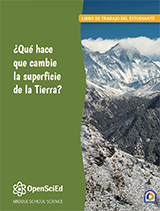
OpenSciEd Unit 7.5: Ecosystem Dynamics Spanish Student Edition
OpenSciEd Middle School science program addresses all middle school NGSS standards. This comprehensive science curriculum empowers students to question, design, investigate, and solve the world around them.
- Phenomenon Based - Centered around exploring phenomena or solving problems
- Driven by Student Questions - Storyline based on students’ questions and ideas
- Grounded in Evidence - Incremental building and revision of ideas based on evidence
- Collaborative - class and teacher figure

product:
Anchored Science Unit 6.2: Investigating & Modeling Body Systems Student 1 Year License
Anchored Science by Mi-STAR is a comprehensive middle school science curriculum driven by a bold vision for the future, where science isn’t just a subject but a powerful, integrated body of knowledge that equips students to tackle today’s pressing societal challenges. This curriculum harnesses the full potential of the Next Generation Science Standards, empowering students to actively engage with science and engineering practices. They’ll move beyond the classroom, using their skills to solve