Search Listing Name
product:
PocketLab Digital Platform Notebook Pro 1 Year License
Take the OpenSciEd middle school science curriculum to the next level by turning any computer, laptop, tablet, or smartphone into an all-in-one, fully customizable science education solution.
With a license to PocketLab Notebook Pro, teachers can access the full suite of Notebook features including:

product:
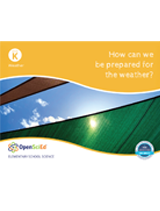
OpenSciEd Grade K Unit 2: Weather Forecasting Teacher Edition
The OpenSciEd elementary science program aligns with all NGSS standards for elementary education.
product:
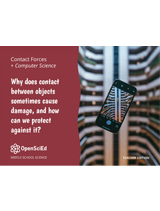
OpenSciEd Unit 8.1 + Computer Science: Why do things sometimes get damaged when they hit each other? Teacher Edition
OpenSciEd Middle School science program addresses all middle school NGSS standards. This comprehensive science curriculum empowers students to question, design, investigate, and solve the world around them.
- Phenomenon Based - Centered around exploring phenomena or solving problems
- Driven by Student Questions - Storyline based on students’ questions and ideas
- Grounded in Evidence - Incremental buildi

product:
Anchored Science Unit 8.7: Global Climate Change Teacher 3 Year License
Anchored Science by Mi-STAR is a comprehensive middle school science curriculum driven by a bold vision for the future, where science isn’t just a subject but a powerful, integrated body of knowledge that equips students to tackle today’s pressing societal challenges. This curriculum harnesses the full potential of the Next Generation Science Standards, empowering students to actively engage with science and engineering practices. They’ll move beyond the classroom, using their skills to solve